The evolution of gambling A historical journey through chance and luck
Ancient Beginnings
The history of gambling can be traced back thousands of years, with evidence of games of chance appearing in ancient civilizations such as Mesopotamia, China, and Egypt. These early forms of gambling often involved dice and rudimentary betting systems. In Mesopotamia, archeologists discovered six-sided dice dating back to 3000 BC, indicating that humans have engaged in games of chance for millennia. Today, platforms highlight the best bitcoin betting sites that make use of these ancient traditions in a modern online environment.

In China, around 200 BC, the first known lottery system emerged, primarily used to fund major government projects like the Great Wall. Meanwhile, ancient Egyptians played a variety of gambling games, including dice games similar to those used today. These early forms of gambling laid the foundation for the intricate betting systems we see in modern times.
Gambling in the Middle Ages
The Middle Ages brought significant changes to gambling practices across Europe. During this period, card games began to gain popularity, largely influenced by the introduction of playing cards from Asia. The rise of gambling houses and taverns allowed people to gather and engage in games of chance, creating a communal experience around betting.
Furthermore, gambling laws began to take shape during this era. Governments started to regulate various forms of gambling, often to curb excessive betting that could lead to social issues. These regulations laid the groundwork for the gambling laws that exist in many countries today, balancing the social aspects of betting with the need for oversight.
The Rise of Casinos
The 17th and 18th centuries marked the emergence of formal casinos, particularly in Italy and France. The first official casino, the Casino di Venezia, opened in Venice in 1638, offering a structured environment for gambling. This innovation attracted the elite and set the stage for gambling as a high-society pastime.
As the concept of casinos spread, various games like roulette and baccarat gained traction, each contributing to the ever-evolving landscape of gambling. By the 19th century, casinos were established in places like Monaco and Las Vegas, solidifying their role as prominent entertainment venues for millions around the world.
The Modern Era of Gambling
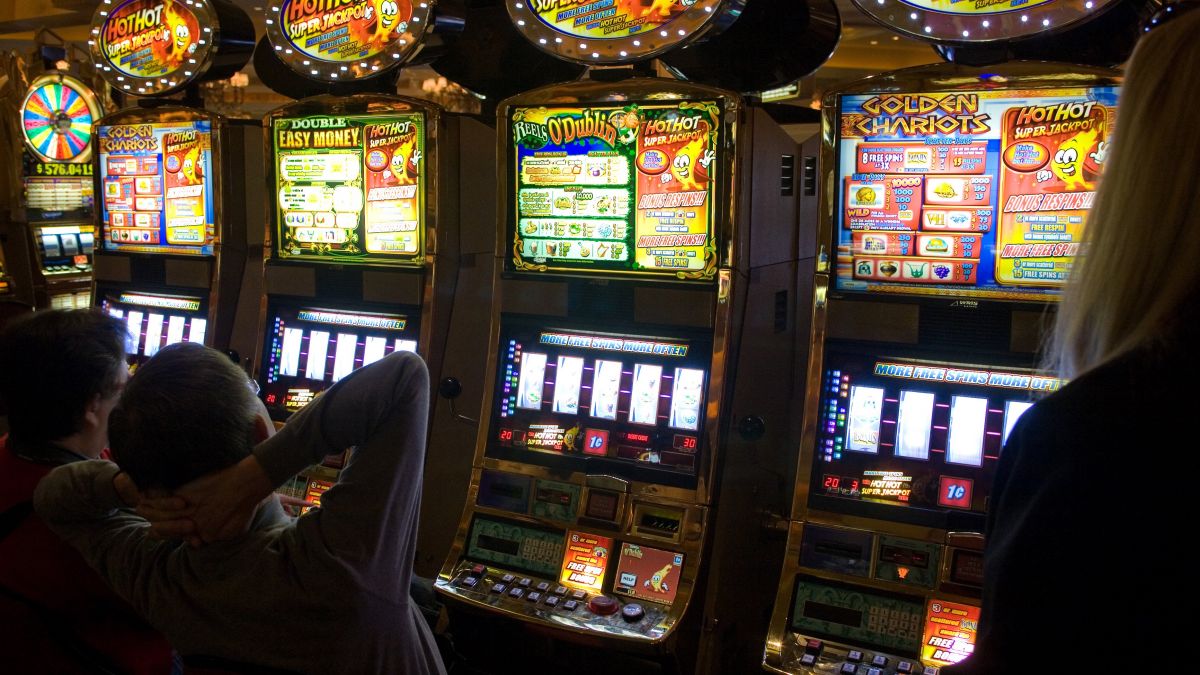
The 20th century witnessed a dramatic transformation in gambling practices, especially with the introduction of technology. The invention of electronic slot machines revolutionized the gambling experience, making it accessible to a broader audience. Las Vegas became synonymous with gambling, attracting tourists worldwide and prompting the construction of extravagant casinos and resorts.
The latter part of the century also saw the rise of online gambling, a game-changer in the industry. With the advent of the internet, players could now engage in betting from the comfort of their homes, leading to a surge in online casinos and sportsbooks. This shift not only changed how people gambled but also expanded the reach and popularity of gambling globally.
Exploring the Future of Gambling
The future of gambling is likely to be influenced by advancements in technology and changing social attitudes. The rise of cryptocurrency has introduced a new dimension to online betting, allowing for secure and anonymous transactions. Many players are now gravitating toward crypto casinos, providing an innovative way to engage in gambling.
Moreover, virtual reality and augmented reality technologies promise to create immersive gambling experiences that could revolutionize how players interact with games. As these technologies develop, they could bridge the gap between physical casinos and online platforms, offering unique experiences that cater to a diverse audience.